Why should you consider studying a Level 2 electrical course in the UK?
A Level 2 electrical course provides the technical knowledge, practical installation ability and regulatory awareness required to begin working as a competent electrician in the UK. Learners gain industry-recognised training in accordance with current IET Wiring Regulations, consumer unit installation practices, cable selection, circuit protection and electrical fault diagnosis. This qualification is highly valued by employers, apprenticeship providers and competent person schemes such as NICEIC and NAPIT.
Here's What We Have Covered In This Article
Career Advantages and Industry Demand
Gateway to a Lucrative Career
With ongoing demand driven by domestic rewiring, renewable energy installations and infrastructure development, the UK electrical sector continues to offer strong earning potential. A Level 2 electrical diploma increases employability for entry-level installation roles and acts as a foundation for long-term career development.
Trainees with a Level 2 technical certificate understand how to work safely on low voltage systems, use standard wiring methods and assist with testing and commissioning. These capabilities are critical for working towards registration with schemes like the Competent Person Scheme or applying for an ECS card.
Career Opportunities After Completing a Level 2 Electrical Course
Graduates often take up positions as:
-
Electrical Improvers on new build or refurbishment projects
-
Domestic Installers working with consumer units, socket outlets and lighting circuits
-
Trainees in Facilities Maintenance assisting with planned and responsive work in commercial buildings
Employers value candidates who are site ready, understand fixed wiring regulations and show clear progression goals toward NVQ Level 3 or Gold Card status.
Pro Tip 1: If you’re eligible for an Advanced Learner Loan, you can train now and pay later without upfront costs.
Skill Development and Practical Training
What technical skills are gained in a Level 2 electrical course?
Learners build practical skills in electrical installation through supervised exercises that replicate site conditions. You will learn how to install PVC trunking and conduit systems, correctly terminate twin and earth cables, perform insulation resistance testing and verify compliance with BS 7671 standards.
Real-world practice helps learners:
-
Measure voltage drop and apply safe cable derating factors
-
Identify common wiring faults such as ring continuity breaks
-
Configure protective devices including MCBs and RCBOs
-
Complete basic electrical installation condition reports (EICRs)
These capabilities directly support work-based learning and contribute toward building a logbook of competencies for future NVQ assessment.
Interpersonal and Workplace Readiness
In addition to hands-on electrical skills, students develop essential workplace qualities. This includes interpreting schematic diagrams, working collaboratively on site, understanding risk assessments and communicating effectively with supervisors.
Training centres often simulate real project timelines and responsibilities to prepare learners for the practical demands of domestic and commercial site work. Opportunities for shadowing or short placements with approved contractors are frequently available.
Pro Tip 2: Ask if your training provider includes mock AM2 assessments. This can give you a big advantage when progressing to Level 3.
Accreditation, Compliance, and Employability
How does a Level 2 qualification help meet UK regulations?
The UK’s regulatory framework requires evidence of competence for those involved in fixed wiring. A Level 2 certificate ensures learners understand building control responsibilities, the Electricity at Work Regulations and how to carry out installation tasks safely.
Learners cover essential topics including:
-
Final circuit protection and earthing systems
-
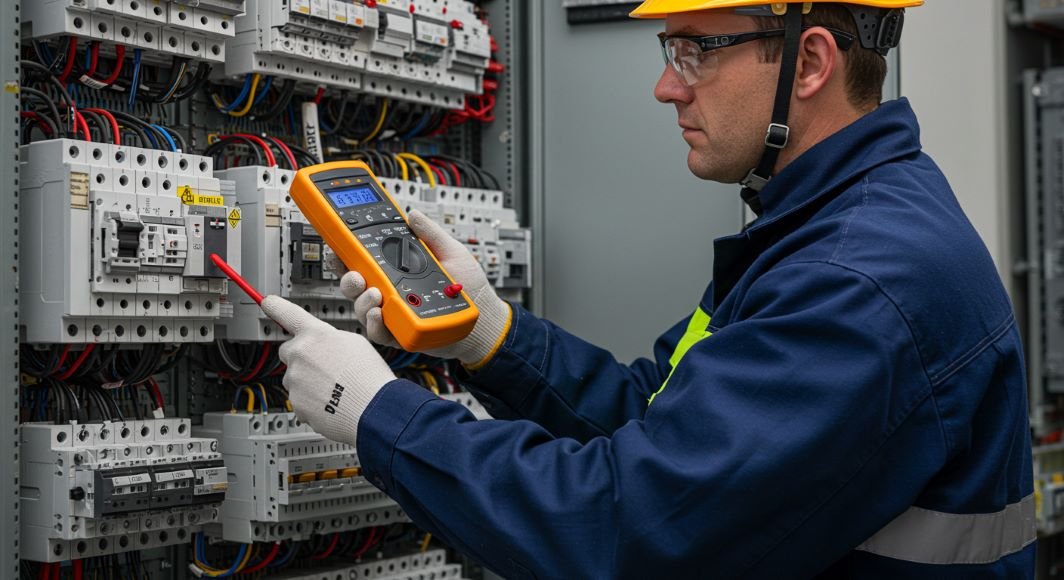
Use of test equipment such as insulation resistance and earth loop impedance meters
-
Completing minor works certificates and electrical installation certificates
These are prerequisites for working under Part P of the Building Regulations or progressing toward full scope domestic installer registration.
Employability Advantages
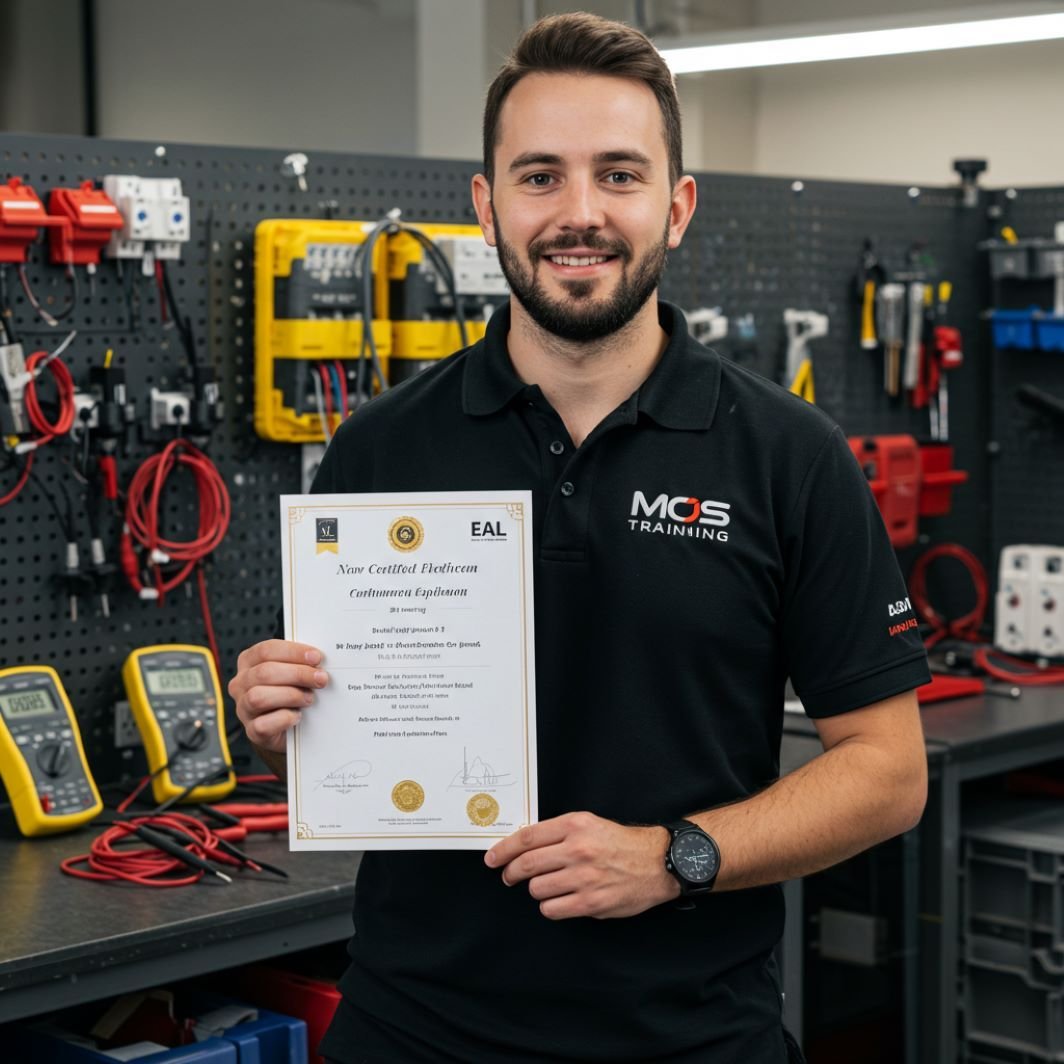
Certifications from awarding bodies like EAL and City and Guilds are recognised across the electrical industry. They signal technical ability, awareness of safety legislation and the ability to apply procedures for fault diagnosis and cable sizing calculations.
Course providers often support learners by helping them write CVs that reflect their competencies and guiding them on how to apply for apprenticeships or entry-level electrical roles.
Flexibility, Accessibility, and Learning Options
Who is a Level 2 electrical course suitable for?
This course suits school leavers, career changers and adult learners looking to requalify or enter a skilled trade. Most centres do not require previous electrical experience, though a basic grasp of maths and English supports success.
Courses are available in full time, evening and part time formats across colleges and training providers. Some centres offer blended learning where theory is completed online and practical elements are taught on campus or in workshops.
Choosing a Course Provider
Choose a provider accredited by awarding bodies such as EAL or City and Guilds. These qualifications are aligned with UK building regulations and prepare you for further qualifications like the NVQ Level 3 or 18th Edition.
Good training centres offer access to simulated environments, practical tools, and support services including job interview preparation, apprenticeship guidance and sometimes even connections to local employers. Many eligible learners receive funding through Advanced Learner Loans or other local education support schemes.
Future Growth, Specialisation, and Global Relevance
What can you do after a Level 2 electrical course?
Most learners move on to a Level 3 NVQ in Electrical Installation or Maintenance, which is required for full competence and Gold ECS Card application. At this stage, you’ll demonstrate competence in real working environments through on-site assessments.
The Level 2 foundation also allows specialisation in areas such as:
-
Renewable energy systems including solar photovoltaic panels and battery storage
-
Electric vehicle charging installations using approved connectors and safety controls
-
Smart building systems such as heating, lighting and security automation
Each area supports UK energy goals and offers long-term earning potential.
How does Level 2 compare to Level 1?
A Level 1 qualification introduces electrical concepts and safe practices but does not provide job-ready installation skills. Level 2 goes much further, with training in installation, testing, regulatory compliance and equipment configuration that employers expect.
For learners aiming to join a Competent Person Scheme, or work toward becoming a self-certified domestic installer, Level 2 is the required starting point.
Are Level 2 skills transferable outside the UK?
Yes, many of the technical principles taught at Level 2 apply across countries using British standards or similar systems. The UK’s strong regulatory framework and respected awarding bodies make this qualification attractive for professionals planning to work in Australia, Ireland, or the Gulf states, where additional assessments may be required.
FAQs
What qualification do I need to become an electrician in the UK?
To become a fully qualified electrician, you need to complete a Level 3 NVQ in Electrical Installation or Maintenance. A Level 2 diploma is a required starting point for most learners.
Can I work as a domestic installer with a Level 2 qualification?
You can work under supervision or as part of a team, but you will need further qualifications, such as NVQ Level 3 and Part P registration, to work independently.
How long does a Level 2 electrical course take to complete?
Full time courses typically last around 1 year. Part time or evening courses may take longer depending on the schedule.
Is funding available for Level 2 electrical training?
Yes, many learners qualify for Advanced Learner Loans or local authority-funded programmes. Some employers may also sponsor training.
What jobs can I apply for with a Level 2 electrical qualification?
You can apply for roles such as electrical improver, trainee electrician, domestic installation assistant, or maintenance support worker.
Start Your Electrical Training Today
Ready to become a qualified electrician? Our accredited Level 2 courses help you build real job-ready skills from day one.